Begin with where the sound goes
Open-back headphones allow sound through the outer earcups. You hear more of the room, and people nearby can hear some of your playback. Closed-back models enclose the back of the drivers and usually provide more passive separation, although the seal, pads, and construction all matter. Neither description is a guarantee of accurate sound. Two closed designs can sound more different from one another than a carefully chosen open and closed pair. Choose the arrangement that works in your room before comparing tonal preferences.
Match the design to the job
For editing at a quiet desk, an open design can be appealing because isolation is unnecessary. For recording a voice while listening to a backing track, leakage becomes a practical problem: the microphone may pick up the track and bake it into the recording. Closed headphones are usually the more convenient starting point. On a train, the open design admits enough surrounding sound that details can disappear. Increasing playback is a poor substitute for isolation. A closed pair with an effective seal, or suitable noise cancellation, is the more useful comparison there.
Consider a person editing a podcast in a quiet room but occasionally recording a voice at the same desk. Open headphones may be comfortable for editing, yet the recording task benefits from checking how much playback reaches the microphone. If one pair must serve both jobs, the recording constraint may decide the design. If the microphone is never active during listening, leakage may be much less important. Making that distinction prevents a blanket recommendation from ignoring how the equipment is used.
Make a fair listening comparison
Compare at a similar, comfortable loudness using familiar speech and music. Louder playback tends to sound more impressive, so a small volume difference can distort the decision. Listen for clear words, bass notes that remain distinct, and cymbals that do not dominate the rest of the mix. Then pause playback. This reveals whether computer fans or household activity will compete with quiet passages. Do the same while wearing your normal glasses. A broken seal can change a closed headphone's bass balance and make a showroom impression difficult to reproduce at home.
Use a short spoken passage that you know well, followed by music with both quiet and busy sections. Keep any equalizer disabled for the first comparison. If one headphone has active processing that cannot be bypassed in the intended mode, note that as part of the product rather than trying to compare an unavailable hypothetical setting. The useful result is a preference for the complete listening arrangement you can actually operate.
Comfort is part of the acoustic result
Check whether the pads surround your ears or press on them. Look for pressure at the headband and temples, and notice whether the cups can rotate enough to sit evenly. A heavy headphone may still distribute its weight well; a light one may concentrate pressure on a small area. Spend time moving your head and looking down as you would at a keyboard. The cups should remain in place without requiring a tight clamp. Replaceable pads are useful, but different materials and thicknesses can alter both fit and sound, so approved replacement parts are the safest baseline.
A decision that survives daily use
Imagine three ordinary moments: someone speaks to you, you start a call, and you move away from the desk. Open headphones make the first easy but offer little privacy. Closed headphones can support the second, provided their microphone arrangement is suitable, but a long cable may complicate the third. Check cable length, detachable connections, and where the headphone will rest. A stand should support the headband without stretching it. If your listening alternates between a quiet room and a shared office, two modest tools can fit those different jobs better than one expensive compromise. The useful purchase is the one whose acoustic boundaries match the task.
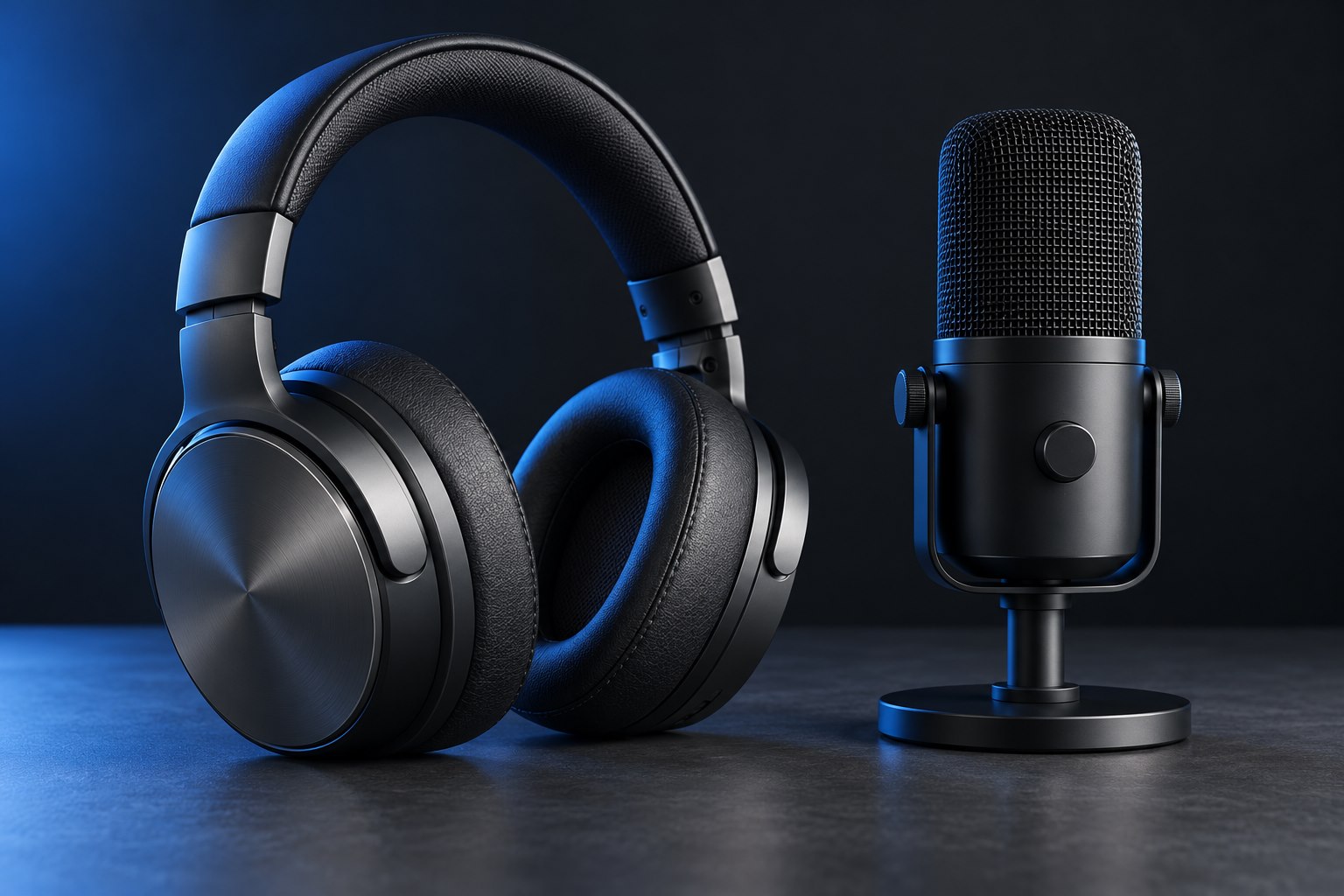
A useful shopping note has two columns: places you listen and sounds you need to keep private. A quiet bedroom, a shared dining table, and a microphone recording session will produce different answers even when the music is identical. That note prevents attractive studio photographs from deciding a very practical purchase.
Sources & further detail
These references support the technical context. Examples and selection advice are editorial explanations; verify the documentation for your exact equipment and software.
A detail we should revisit? Send the guide URL and the relevant documentation to SmithKent5791@outlook.com.
Read the editorial policy